The Germany Polypropylene Compounds Market was valued at USD 2.31 billion in 2025 and is projected to reach USD 3.94 billion by 2035, expanding at a CAGR of 6.10% during 2026–2035. Germany remains one of Europe’s most mature polypropylene compounds manufacturing hubs, supported by its advanced automotive industry, engineering capabilities, and highly integrated polymer value chain. Demand continues to be driven by lightweight material adoption, improved mechanical performance requirements, and increasing substitution of traditional engineering materials with advanced polypropylene compounds.
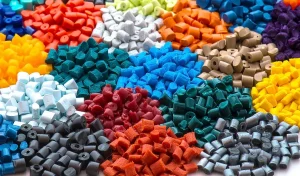
The Germany polypropylene compounds industry benefits from continuous investments in sustainable materials, recycled polymer technologies, and customized compound formulations for automotive, electrical, healthcare, and consumer applications. Regulatory emphasis on circular economy initiatives has accelerated the development of recyclable and bio-attributed polypropylene compounds while encouraging manufacturers to optimize production efficiency.
Technological advancements in glass fiber reinforcement, mineral-filled formulations, flame-retardant additives, and impact-modified compounds are broadening application opportunities across multiple industries. Rising electrification of vehicles, growth in medical device manufacturing, and increasing demand for durable consumer products further strengthen long-term market fundamentals. Strategic collaborations between compound manufacturers, resin suppliers, automotive OEMs, and research institutions continue to enhance product innovation, positioning Germany as a key contributor to the broader European polypropylene compounds market.
Germany Polypropylene Compounds Market
Market Snapshot
| Metric | Value |
|---|---|
| Market Size (2025) | USD 2.31 Billion |
| Forecast Period | 2026–2035 |
| Market Size (2035) | USD 3.94 Billion |
| CAGR (2026–2035) | 6.10% |
| Base Year | 2025 |
| Historical Period | 2021–2024 |
| Fastest Growing Region | Asia Pacific |
| Largest Regional Market | Europe |
| Dominating Segment | Automotive End-use (31.0%) |
| Fastest Growing Segment | Medical End-use (7.2% CAGR) |
Don’t miss out on business opportunities in global and Germany Polypropylene Compounds Market. Speak to our analyst and gain crucial industry insights that will help your business grow. {Download a Databook@ (https://www.towardschemandmaterials.com/checkout/5893)
Key Market Highlights
- Automotive lightweighting continues to be the primary demand generator for polypropylene compounds.
- Sustainable and recycled polypropylene compounds are gaining commercial acceptance across industrial applications.
- Electric vehicle manufacturing is increasing demand for flame-retardant and high-performance compounds.
- Medical-grade polypropylene compounds are witnessing above-average growth due to healthcare manufacturing expansion.
- Germany remains Europe’s leading production and innovation center for engineered polypropylene compounds.
- Digital compounding technologies and advanced quality control systems are improving manufacturing efficiency.
- Investments in circular plastics infrastructure support long-term market competitiveness.
- Strategic partnerships between compounders and OEMs accelerate customized material development.
Request Research Report Built Around Your Goals: [email protected]
Market Dynamics
Market Drivers
Expansion of Automotive Lightweight Materials
Germany’s automotive manufacturing sector continues to prioritize lightweight materials to improve fuel efficiency and extend electric vehicle range. Polypropylene compounds provide an attractive combination of low density, impact resistance, dimensional stability, and cost efficiency. Increasing utilization in interior trims, bumper systems, battery housings, and under-the-hood applications significantly expands commercial demand while supporting vehicle emission reduction targets.
Growing Demand for Sustainable Polymer Solutions
Industrial manufacturers increasingly require recyclable and environmentally responsible engineering plastics. Polypropylene compounds incorporating recycled content and bio-based feedstocks align with Germany’s circular economy objectives. Material suppliers are investing in advanced recycling technologies, enabling higher-quality recycled compounds suitable for demanding automotive and consumer applications while reducing dependence on virgin polymers.
Rising Healthcare Manufacturing
Germany’s expanding medical device sector is increasing demand for medical-grade polypropylene compounds used in syringes, diagnostic equipment, pharmaceutical packaging, and disposable healthcare products. High chemical resistance, sterilization compatibility, and regulatory compliance make polypropylene compounds attractive for medical manufacturers seeking reliable and cost-effective polymer solutions.
Market Restraints
Volatile Raw Material Prices
Fluctuating propylene feedstock prices and energy costs continue to affect production economics. Manufacturers face pressure to maintain competitive pricing while managing variable raw material procurement costs, creating margin uncertainty throughout the polypropylene compounds value chain.
Environmental Compliance Costs
Stringent European environmental regulations require continuous investments in emissions control, recycling capabilities, and sustainable manufacturing technologies. Compliance expenditures may temporarily limit profitability, particularly for smaller compound manufacturers.
Market Opportunities
Growth in Electric Vehicle Components
Electric mobility creates opportunities for specialized polypropylene compounds featuring enhanced flame resistance, electrical insulation, and dimensional stability. Battery systems and lightweight structural components represent promising high-value application areas.
Advanced Recycled Compound Development
Demand for certified recycled engineering plastics continues to accelerate. Companies capable of producing high-performance recycled polypropylene compounds with consistent mechanical properties are well positioned to capture premium market opportunities across automotive and industrial sectors.
Market Challenges
Performance Competition from Engineering Plastics
Polyamide, ABS, PBT, and other engineering plastics compete directly with polypropylene compounds in several high-performance applications. Continuous product innovation remains essential to maintain competitiveness.
Supply Chain Complexity
Maintaining uninterrupted supplies of specialty additives, reinforcing fibers, and polymer resins remains challenging amid global logistics uncertainties. Diversified sourcing strategies have become increasingly important for compound manufacturers.
Manufacturing and Technology Analysis
Germany utilizes highly automated compounding facilities equipped with twin-screw extrusion systems, precision dosing technologies, real-time process monitoring, and advanced quality assurance platforms. Manufacturers increasingly employ digital manufacturing solutions to optimize formulation consistency and reduce production waste.
Innovation focuses on glass fiber reinforcement, talc-filled formulations, mineral-filled compounds, thermoplastic olefin (TPO) technologies, and thermoplastic vulcanizates (TPV). Advanced additive technologies improve UV resistance, flame retardancy, impact performance, and thermal stability while supporting lightweight component design. Sustainable manufacturing initiatives increasingly incorporate recycled polymers and energy-efficient processing technologies.
Key Performance Characteristics
Polypropylene compounds offer excellent impact resistance, chemical resistance, dimensional stability, lightweight performance, and cost competitiveness. Enhanced formulations deliver improved stiffness, heat resistance, flame retardancy, electrical insulation, and weatherability.
These performance characteristics support broad adoption across automotive, medical, electrical, packaging, construction, and industrial applications where durability, manufacturability, and regulatory compliance remain essential purchasing criteria.
Innovation and Investment Analysis
Investment activity increasingly targets sustainable compounding technologies, recycled polymer integration, digital manufacturing systems, and customized application development. Manufacturers continue expanding R&D capabilities focused on electric mobility materials, medical-grade formulations, and circular economy solutions.
Collaborative innovation between polymer producers, automotive OEMs, additive suppliers, and research institutions accelerates commercialization of high-performance polypropylene compounds while strengthening Germany’s leadership in advanced polymer engineering.
Market Segmentation Analysis
By Product
| Segment | Share | CAGR | Status |
|---|---|---|---|
| Mineral Filled PP Compounds | 29% | 5.8% | Dominating |
| Glass Fiber Reinforced | 24% | 6.9% | Fastest Growing |
| Talc Filled | 18% | 5.6% | – |
| Compounded TPO | 15% | 6.4% | – |
| Compounded TPV | 8% | 6.2% | – |
| Others | 6% | 5.5% | – |
Mineral-filled compounds dominate owing to widespread automotive and appliance demand, while glass fiber reinforced grades record the fastest growth due to increasing structural component applications and electric vehicle adoption.
By Polymer Type
| Segment | Share | CAGR | Status |
|---|---|---|---|
| Homo Polymers | 47% | 5.8% | Dominating |
| Impact Copolymers | 34% | 6.8% | Fastest Growing |
| Random Copolymers | 19% | 5.9% | – |
Homo polymers maintain leadership because of their broad industrial applicability, whereas impact copolymers benefit from rising demand for durable automotive and industrial components.
By Property
| Segment | Share | CAGR | Status |
|---|---|---|---|
| Impact Resistant | 36% | 6.3% | Dominating |
| Flame Retardant | 26% | 7.0% | Fastest Growing |
| UV Resistant | 22% | 5.8% | – |
| Antistatic | 16% | 5.9% | – |
Impact-resistant compounds dominate industrial consumption, while flame-retardant formulations expand rapidly due to electric vehicle, electronics, and medical equipment requirements.
By Process Technology
| Segment | Share | CAGR | Status |
|---|---|---|---|
| Injection Molding | 48% | 6.2% | Dominating |
| Extrusion | 28% | 6.0% | – |
| Blow Molding | 14% | 5.8% | – |
| Thermoforming | 10% | 6.5% | Fastest Growing |
Injection molding remains the preferred processing technology because of high-volume precision manufacturing, while thermoforming benefits from expanding packaging and healthcare applications.
By End-Use
| Segment | Share | CAGR | Status |
|---|---|---|---|
| Automotive | 31% | 6.1% | Dominating |
| Consumer Goods | 18% | 5.9% | – |
| Packaging | 16% | 5.8% | – |
| Electrical & Electronics | 14% | 6.7% | – |
| Construction | 10% | 5.7% | – |
| Medical | 7% | 7.2% | Fastest Growing |
| Textiles | 3% | 5.5% | – |
| Others | 1% | 5.4% | – |
Automotive remains the largest consumer due to lightweight vehicle manufacturing, whereas medical applications experience the highest growth as healthcare manufacturing and disposable medical device production continue expanding.
Competitive Landscape
The Germany polypropylene compounds market demonstrates moderate consolidation, with global polymer manufacturers competing alongside specialized regional compounders. Companies focus on product differentiation through customized formulations, sustainable materials, recycled compounds, and application-specific performance improvements. Strategic partnerships with automotive OEMs, healthcare manufacturers, and electronics companies remain central to commercial expansion strategies.
Manufacturers continue investing in advanced compounding technologies, digital manufacturing, laboratory testing capabilities, and circular economy initiatives. Geographic expansion within Europe, acquisitions of specialty compounding businesses, and increased R&D expenditures strengthen competitive positioning. Innovation surrounding electric vehicle materials, flame-retardant technologies, and recycled engineering plastics is expected to remain a primary differentiator over the forecast period.
Key Companies
| Company | Headquarters | Core Business Focus | Recent Strategic Focus |
|---|---|---|---|
| LyondellBasell | Netherlands | Polyolefins & Compounds | Expanded sustainable polypropylene portfolio. |
| Borealis AG | Austria | Polyolefin Solutions | Increased circular polymer investments. |
| SABIC | Saudi Arabia | Engineering Plastics | Developed advanced automotive compounds. |
| Ravago Manufacturing | Luxembourg | Polymer Compounding | Expanded recycled compound offerings. |
| Mitsubishi Chemical Group | Japan | Advanced Materials | Enhanced specialty polypropylene compounds. |
| Avient Corporation | USA | Specialty Polymer Solutions | Focused on healthcare material innovation. |
| Sumitomo Chemical | Japan | Performance Polymers | Expanded automotive-grade compounds. |
| Asahi Kasei | Japan | Engineering Materials | Increased lightweight polymer development. |
| Celanese Corporation | USA | Engineered Materials | Strengthened sustainable material portfolio. |
| BASF SE | Germany | Specialty Chemicals | Expanded circular plastics initiatives. |
| Röchling Group | Germany | Engineering Plastics | Invested in automotive polymer solutions. |
| POLYVANTIS | Germany | High-performance Plastics | Enhanced industrial polymer applications. |
Recent Industry Developments
| Month & Year | Company | Development | Strategic Significance |
|---|---|---|---|
| February 2026 | BASF | Expanded polypropylene compounding capacity | Supports automotive demand. |
| April 2026 | Borealis | Introduced recycled PP compound portfolio | Strengthens circular economy initiatives. |
| June 2026 | Avient | Launched medical-grade PP compounds | Expands healthcare presence. |
| August 2026 | SABIC | Released EV flame-retardant formulations | Supports electric mobility growth. |
| October 2026 | LyondellBasell | Expanded European recycling partnership | Improves sustainable feedstock availability. |
| January 2027 | Röchling Group | Opened advanced materials development center | Accelerates customized polymer innovation. |
Market Outlook
The Germany polypropylene compounds market is expected to maintain steady long-term expansion, reaching USD 3.94 billion by 2035 from USD 2.31 billion in 2025, representing a 6.10% CAGR. Market growth will increasingly be supported by lightweight vehicle production, medical manufacturing expansion, sustainable polymer adoption, and advanced industrial applications.
Digital manufacturing technologies, recycled polymer integration, and high-performance compound formulations will shape future product development strategies. Electric vehicle production will remain an important catalyst for flame-retardant, impact-resistant, and reinforced polypropylene compounds. Medical applications are forecast to record the highest end-use growth at 7.2% CAGR, while Europe retains the largest regional market share at 39%. Asia Pacific is anticipated to remain the fastest-growing region with a 7.3% CAGR, reflecting expanding industrial capacity and manufacturing investments. Long-term industry competitiveness will increasingly depend on innovation, circular economy integration, and development of customized compound solutions for high-value applications.
Market Segmentations
By Product
- Mineral Filled PP Compounds
- Compounded TPO
- Compounded TPV
- Glass Fiber Reinforced
- Talc Filled
- Others
By Polymer Type
- Homo Polymers
- Random Copolymers
- Impact Copolymers
By Property
- Flame Retardant
- Impact Resistant
- UV Resistant
- Antistatic
By Process Technology
- Extrusion
- Injection Molding
- Blow Molding
- Thermoforming
By End-use
- Automotive
- Interior
- Exterior
- Under-the-Hood
- Consumer Goods
- Appliances
- Furniture
- Packaging
- Rigid Packaging
- Flexible Packaging
- Electrical & Electronics
- Insulation
- Connectors
- Cables
- Medical
- Syringes & Injectables
- Medical Containers
- Diagnostic Devices
- Construction
- Pipes & Fittings
- Flooring
- Insulation
- Textiles
- Nonwoven Fabrics
- Carpet Backing
- Apparel
- Others
- Agriculture Films
- Industrial Products
Immediate Delivery Available | Buy This Premium Research Report
https://www.towardschemandmaterials.com/checkout/5893
About Us
Towards Chemical and Materials is a leading global consulting firm specializing in providing comprehensive and strategic research solutions across the chemical and materials industries. With a highly skilled and experienced consultant team, we offer a wide range of services designed to empower businesses with valuable insights and actionable recommendations.
To find out more, visit www. Towards Chemicals and Materials Analytics and Consulting ™.com or follow us on Twitter, LinkedIn
Contact:
Towards Chemicals and Materials Analytics and Consulting
USA: +1 804 441 9344
APAC: +61 485 981 310 or +91 87933 22019
Europe: +44 7383 092 044
Email: [email protected]
Visit Our Website: https://www.towardschemandmaterials.com/


Leave a Reply