Market Overview
The biomethane market is undergoing rapid growth, with the market size expected to increase from USD 11.65 billion in 2025 to USD 13.38 billion in 2026. By 2035, the market is projected to reach USD 46.4 billion, growing at a robust CAGR of 14.82%. In volume terms, biomethane production is anticipated to expand from 9.45 million tons in 2025 to 34.88 million tons by 2035, at a CAGR of 13.95%. This growth reflects the increasing adoption of renewable energy sources, especially in the transportation and energy sectors, as countries aim to reduce carbon emissions and achieve sustainability goals.
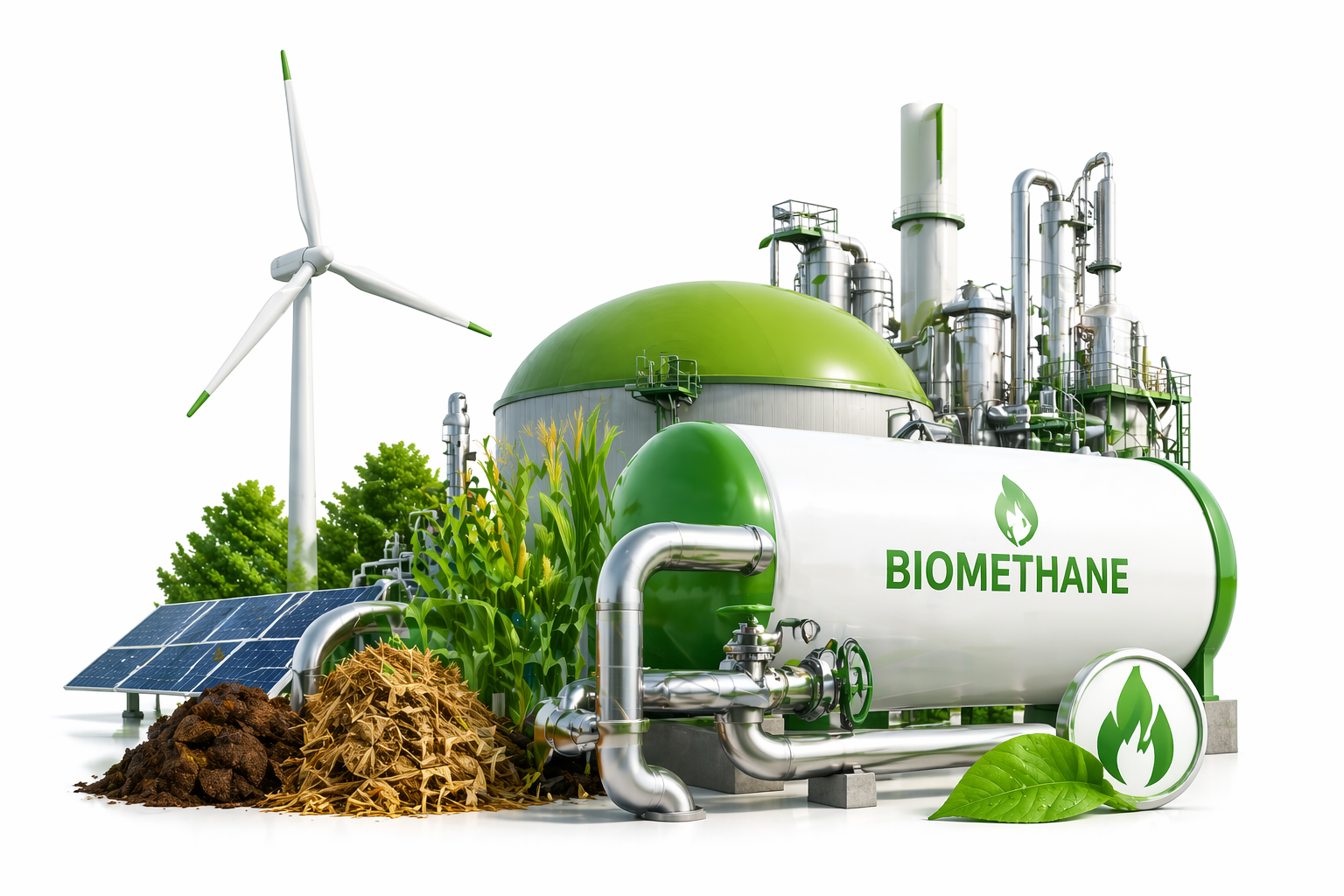
Biomethane, derived from organic waste through anaerobic digestion, offers an environmentally friendly alternative to conventional natural gas. It can be used in various applications, including power generation, heating, and as a vehicle fuel, providing a cleaner, renewable energy source.
Market Growth
The biomethane market is poised for strong expansion, driven by technological advancements, growing environmental awareness, and supportive government policies. The market’s growth is supported by the increasing demand for renewable energy sources, with biomethane playing a vital role in the transition from fossil fuels. Key factors such as the rise in waste-to-energy projects, the use of biomethane in transport, and the focus on sustainable agriculture are all contributing to the growing demand for this green fuel.
The CAGR of 14.82% indicates robust market potential as governments and businesses look to decarbonize their energy systems and embrace circular economy models. The rise in investment for biomethane production plants is also boosting market growth, particularly in Europe and North America.
Key Market Trends
- Growing Use in Transportation: Biomethane is increasingly being used as an alternative fuel for vehicles, especially in the public transportation sector. This is due to its lower emissions compared to traditional fuels.
- Circular Economy Growth: Biomethane production is a key component of the circular economy, turning organic waste into valuable energy while reducing landfill usage and greenhouse gas emissions.
- Technological Advancements: Advances in anaerobic digestion and upgrading technologies are improving the efficiency and cost-effectiveness of biomethane production, making it more commercially viable.
- Government Incentives and Policies: Governments around the world are offering incentives to promote biomethane production and use, driving market expansion. These include subsidies, grants, and tax breaks for renewable energy initiatives.
- Rising Demand for Clean Energy: As global energy demand continues to rise, the shift towards cleaner, renewable energy sources like biomethane is accelerating, especially as part of efforts to reduce reliance on fossil fuels.
Market Recent Government Initiatives
Governments globally are implementing policies to foster the growth of the biomethane market, recognizing its potential to support sustainability and energy security:
- European Union: The EU has launched several initiatives to support the biomethane market, including the Renewable Energy Directive (RED II), which promotes the use of renewable gases, such as biomethane, in energy production and transport. The EU is targeting 10% of its gas consumption to come from renewable sources by 2030, a significant portion of which is biomethane.
- United States: The U.S. government has invested in programs that support the development of biogas and biomethane production, such as the Biogas Opportunities Roadmap. This initiative provides funding for projects that increase the production of biogas, including its conversion into biomethane.
- United Kingdom: The UK has been actively promoting biomethane production, particularly for the transportation sector. The government’s Green Gas Support Scheme is designed to provide financial incentives to biomethane producers.
These initiatives are expected to drive market growth by making the production and use of biomethane more affordable and accessible, supporting the transition to a low-carbon economy.
Benefits of Using Biomethane
Biomethane offers several key advantages that drive its adoption across various sectors:
- Environmental Sustainability: Biomethane is a renewable fuel that helps reduce greenhouse gas emissions by capturing methane from organic waste before it can enter the atmosphere as a harmful pollutant.
- Energy Security: Biomethane can be produced locally, reducing reliance on imported natural gas and enhancing energy security, particularly for regions with abundant organic waste.
- Waste Management: Biomethane production is an effective way to manage organic waste, converting it into valuable energy while reducing landfill use and the associated environmental impacts.
- Renewable Alternative to Natural Gas: Biomethane is chemically identical to natural gas, meaning it can be used in existing infrastructure, including pipelines and gas-powered vehicles, providing a seamless transition to cleaner energy.
- Economic Opportunities: The growing biomethane market is creating job opportunities in waste management, renewable energy production, and technology development, contributing to economic growth.
Key Factors Driving the Market
- Government Support: Policies and incentives that promote renewable energy sources are key drivers of the biomethane market. Tax credits, grants, and subsidies are making biomethane more competitive with conventional fuels.
- Increasing Waste-to-Energy Projects: The rising number of waste-to-energy projects, particularly in urban areas, is contributing to the growth of biomethane production as a means of turning waste into clean energy.
- Corporate Sustainability Goals: Many companies are adopting biomethane as part of their corporate sustainability strategies to reduce their carbon footprint and meet renewable energy targets.
- Technological Advancements: Advances in anaerobic digestion and gas upgrading technologies are improving the efficiency of biomethane production, making it a more viable and cost-effective option for large-scale deployment.
- Rising Fuel Demand: As demand for cleaner energy sources continues to grow, biomethane is increasingly being seen as a key alternative to fossil fuels, particularly in the transport and heating sectors.
The Future of the Biomethane Market
The future of the biomethane market looks highly promising, with continued growth expected through 2035. As countries set more ambitious sustainability and carbon reduction targets, the demand for renewable energy sources like biomethane will continue to rise. Technological innovations will drive efficiency improvements, lowering production costs and increasing the commercial viability of biomethane. Moreover, the ongoing investment in infrastructure and government support will further expand the market, particularly in Europe and North America.
Why Is the Biomethane Market Important?
The biomethane market is crucial in the global transition to a more sustainable energy system. It offers a renewable, low-emission alternative to natural gas, helping to reduce dependence on fossil fuels and mitigate climate change. Biomethane also plays a key role in waste management and circular economy initiatives, turning organic waste into a valuable resource and reducing environmental harm.
Which Segment Accounted for the Largest Market Share?
The transportation sector is expected to account for the largest share of the biomethane market. Biomethane is increasingly being adopted as an alternative fuel for public transport fleets, buses, and commercial vehicles. Its use in the transportation sector helps reduce carbon emissions and air pollution, making it a critical component of sustainable mobility solutions.
Market Recent Developments by Major Companies
Leading players in the biomethane market are continuously innovating and expanding their operations to capture a larger share of the market:
- EnviTec Biogas AG: A global leader in biogas production, EnviTec Biogas has expanded its portfolio to include biomethane production, with a focus on upgrading biogas to biomethane for injection into the grid and use as vehicle fuel.
- Air Products and Chemicals, Inc.: Air Products is involved in biomethane production and infrastructure, providing solutions for the liquefaction and transport of biomethane, particularly for use in industrial and transportation applications.
- Biogas Nord AG: Specializing in biogas and biomethane plants, Biogas Nord is expanding its production capacity and providing technology solutions that enable the efficient conversion of organic waste into renewable biomethane.
These companies are leading the charge in advancing biomethane technologies and driving market growth through investments in production and infrastructure.
This report provides a thorough overview of the biomethane market, covering its growth potential, key trends, and the role of government policies in supporting the transition to renewable energy sources. With increasing demand for sustainable energy solutions, the biomethane market is positioned to play a key role in global energy strategies.
About Us
Towards Chemical and Materials is a leading global consulting firm specializing in providing comprehensive and strategic research solutions across the chemical and materials industries. With a highly skilled and experienced consultant team, we offer a wide range of services designed to empower businesses with valuable insights and actionable recommendations.
Our Trusted Data Partners
Precedence Research | Statifacts | Towards Packaging | Towards Healthcare | Towards Food and Beverages | Towards Chemical and Materials | Towards Consumer Goods | Nova One Advisor |
For Latest Update Follow Us: https://www.linkedin.com/company/towards-chem-and-materials/
USA: +1 804 441 9344
APAC: +61 485 981 310 or +91 87933 22019
Europe: +44 7383 092 044



Leave a Reply