Market Overview
The global synthetic fuels market is poised for significant growth over the next decade. Valued at USD 42.19 billion in 2025, this market is expected to soar to USD 49.97 billion in 2026, marking a notable year-on-year increase. From there, it is projected to skyrocket to USD 229.38 billion by 2035. This growth is underpinned by rising demand for alternatives to conventional fossil fuels, driven by sustainability goals and the push towards cleaner energy sources.
Synthetic fuels, also known as synfuels, are produced from non-petroleum sources such as coal, natural gas, and biomass. They offer a cleaner, more sustainable option compared to traditional fossil fuels, positioning them as a key component of future energy systems. The market’s expansion is being fueled by both innovation in production technologies and growing global environmental awareness.
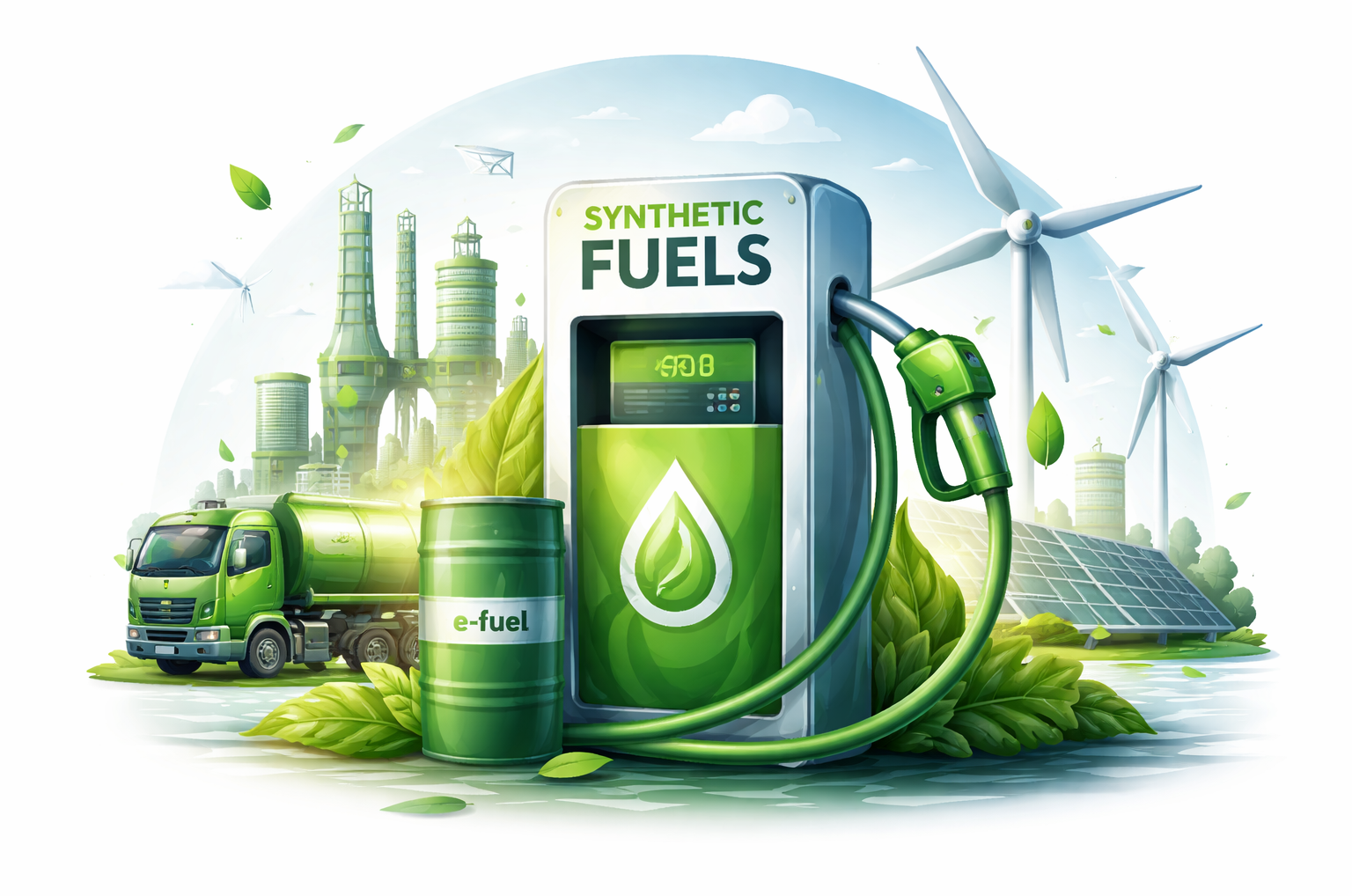
What is Market Growth?
From 2025 to 2035, the synthetic fuels market is projected to grow at an impressive compound annual growth rate (CAGR) of 18.45%. This growth trajectory indicates a robust demand for synthetic fuels, which are becoming increasingly vital in global energy transition strategies. In terms of volume, the market will grow from 18.85 million tons in 2025 to 90.22 million tons by 2035, reflecting a CAGR of 16.95% in volume terms. This growth is indicative of a significant shift towards renewable energy sources and sustainable fuel production processes.
What Are the Key Market Trends?
Several emerging trends are shaping the synthetic fuels market.
- Advancements in Technology: Continuous improvements in fuel production technologies, including carbon capture and storage (CCS) and gas-to-liquid (GTL) processes, are making the production of synthetic fuels more cost-effective and efficient.
- Renewable Energy Integration: A growing trend in blending synthetic fuels with renewable energy sources, such as wind and solar, is becoming increasingly popular. This integration supports the decarbonization of sectors that are difficult to electrify, such as heavy industry and transportation.
- Sustainability: As global environmental regulations tighten, industries are turning to synthetic fuels as a cleaner alternative. These fuels are gaining traction as low-emission substitutes for conventional oil and coal.
What Are the Recent Government Initiatives?
Governments across the globe are recognizing the importance of synthetic fuels in the fight against climate change. Recent initiatives focus on:
- Subsidies and Incentives: Many governments are offering financial incentives for research and development of synthetic fuels, encouraging private-sector investment in green technologies.
- Carbon Pricing: The introduction of carbon pricing mechanisms in key markets incentivizes industries to adopt cleaner alternatives such as synthetic fuels.
- Regulations and Standards: Several countries have implemented stricter emissions standards, pushing industries to seek alternatives like synthetic fuels that offer lower carbon footprints.
These initiatives are laying the groundwork for the continued growth of the synthetic fuels market, making it a more viable option for energy production.
What Are the Benefits of Using Synthetic Fuels?
The benefits of synthetic fuels are numerous:
- Environmental Sustainability: Synthetic fuels can be produced with lower carbon emissions compared to conventional fossil fuels, helping industries meet their sustainability goals.
- Energy Security: By diversifying energy sources, synthetic fuels reduce dependence on oil and gas imports, contributing to national energy security.
- Versatility: They can be used across a wide range of applications, including transportation, industrial processes, and power generation.
- Cleaner Alternative: Synthetic fuels have a cleaner combustion profile, reducing pollutants such as sulfur and particulate matter.
These advantages make synthetic fuels an attractive option for countries and businesses looking to reduce their carbon footprint while maintaining energy reliability.
What Are the Key Factors Driving the Market?
Several factors are driving the rapid expansion of the synthetic fuels market:
- Global Push for Cleaner Energy: As countries adopt more stringent environmental regulations, the demand for cleaner fuels is accelerating. Synthetic fuels offer a compelling solution.
- Rising Energy Demand: With global energy demand on the rise, synthetic fuels provide a scalable and sustainable alternative to conventional fossil fuels.
- Technological Advancements: Innovations in fuel production technologies have significantly reduced the costs associated with synthetic fuel production, making them more competitive with traditional fuels.
- Environmental Policies and Initiatives: Government policies aimed at reducing greenhouse gas emissions are fostering an environment conducive to the growth of synthetic fuels.
These factors work together to position synthetic fuels as a key player in the future of global energy markets.
What is the Future of the Market?
The future of the synthetic fuels market looks bright, with projections showing significant growth over the next decade. Technological advancements will continue to reduce production costs, making synthetic fuels more affordable and accessible. Moreover, as more industries transition to sustainable energy sources, the demand for synthetic fuels will only increase. By 2035, synthetic fuels are expected to play a pivotal role in global energy systems, supporting cleaner, more sustainable energy solutions.
Why Is the Synthetic Fuels Market Important?
The synthetic fuels market is vital in addressing several global challenges:
- Climate Change Mitigation: Synthetic fuels offer a cleaner alternative to conventional fossil fuels, helping to reduce greenhouse gas emissions.
- Energy Independence: By reducing reliance on oil and natural gas imports, synthetic fuels contribute to national energy security.
- Sustainable Growth: The market supports the transition to a more sustainable energy future, making it a critical component of global energy strategies.
In a world increasingly focused on sustainability and environmental responsibility, the synthetic fuels market holds significant promise.
Which Segment Accounted for the Largest Market Share?
The largest market share in the synthetic fuels sector is currently held by the coal-to-liquid (CTL) segment. This process involves converting coal into liquid fuels like synthetic gasoline or diesel, which are highly favored in energy-intensive industries. The dominance of CTL is due to the vast coal reserves available in various parts of the world and its ability to produce fuels with comparable performance to traditional crude oil derivatives.
With its vast growth potential and ability to provide a cleaner, more sustainable alternative to traditional fuels, the synthetic fuels market is poised to play a key role in the future of energy production. As technology advances and governments implement policies that support green energy, synthetic fuels are set to become a cornerstone of global efforts to combat climate change.
About Us
Towards Chemical and Materials is a leading global consulting firm specializing in providing comprehensive and strategic research solutions across the chemical and materials industries. With a highly skilled and experienced consultant team, we offer a wide range of services designed to empower businesses with valuable insights and actionable recommendations.
Our Trusted Data Partners
Precedence Research | Statifacts | Towards Packaging | Towards Healthcare | Towards Food and Beverages | Towards Chemical and Materials | Towards Consumer Goods | Nova One Advisor |
For Latest Update Follow Us: https://www.linkedin.com/company/towards-chem-and-materials/
USA: +1 804 441 9344
APAC: +61 485 981 310 or +91 87933 22019
Europe: +44 7383 092 044
Email: [email protected]


Leave a Reply