Market Overview
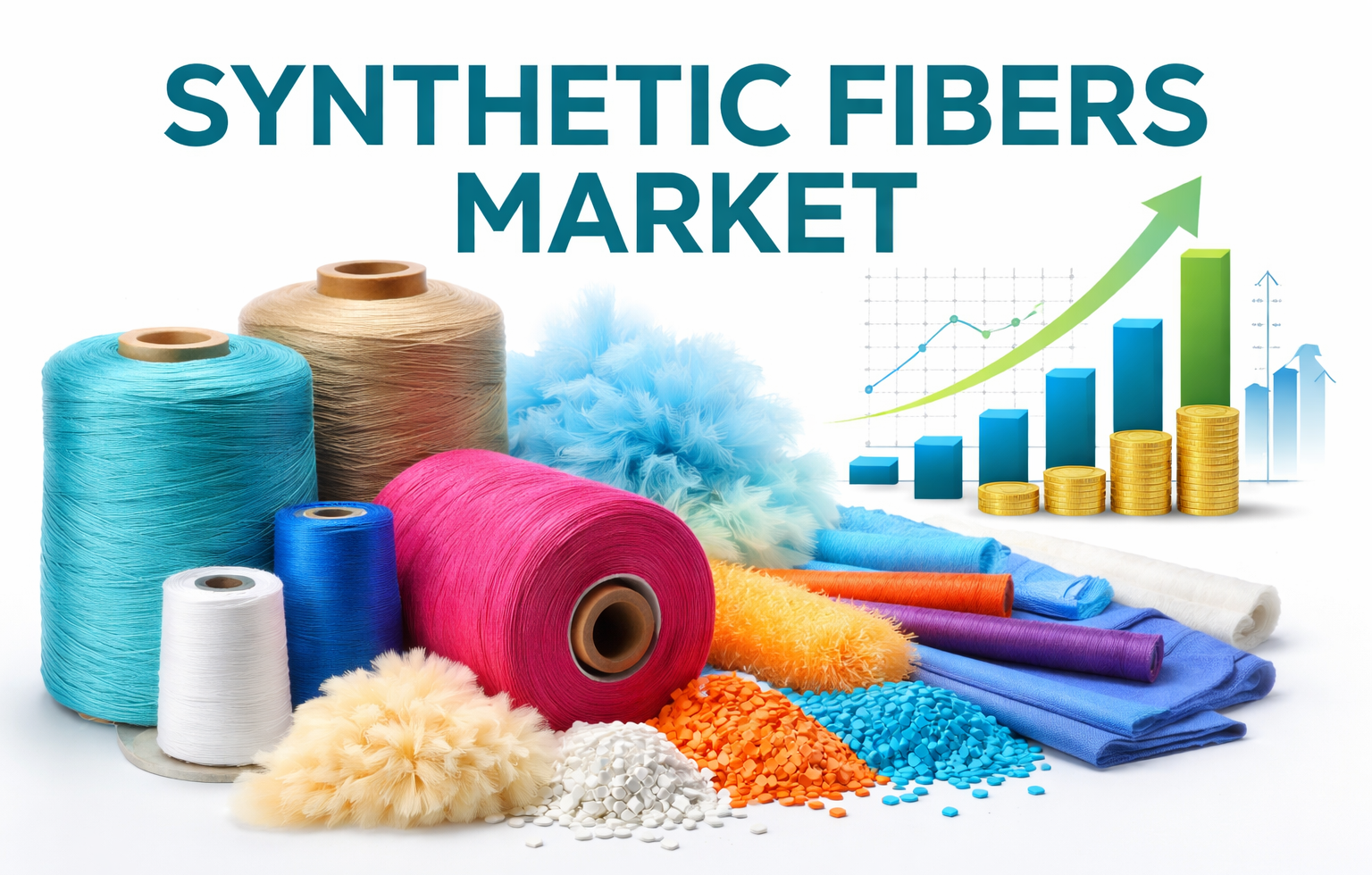
The global synthetic fibers market is set to experience significant growth from 2025 to 2035, with a notable shift in both value and volume. In 2025, the market is valued at USD 92.85 billion and is projected to reach USD 98.19 billion in 2026. By 2035, this dynamic market will have expanded to USD 162.4 billion, growing at a compound annual growth rate (CAGR) of 5.75%. This growth is mirrored by the market’s volume expansion, moving from 89.45 million tons in 2025 to a projected 148.65 million tons by 2035, representing a volume CAGR of 5.21%.
Synthetic fibers play a crucial role in various industries, including textiles, automotive, and packaging, making them essential to global supply chains. The market’s expansion can be attributed to growing demand for affordable, durable, and lightweight materials that synthetic fibers offer across diverse sectors.
What is Market Growth?
The synthetic fibers market’s growth is propelled by the increasing adoption of synthetic fibers in both traditional and emerging applications. As the market continues to evolve, synthetic fibers are gaining popularity due to their affordability, versatility, and ability to be tailored to meet specific performance needs. With technological advancements improving fiber production and processing methods, the market is expected to maintain strong growth throughout the forecast period.
The estimated CAGR of 5.75% in value and 5.21% in volume from 2026 to 2035 underlines the continuous rise in demand for synthetic fibers, with major contributions from industries such as automotive, fashion, construction, and textiles.
What are Key Market Trends?
Several trends are shaping the synthetic fibers market’s future:
- Sustainability Focus: The rising emphasis on sustainability is driving the demand for eco-friendly synthetic fibers, particularly those made from recycled materials. Innovations in biodegradable fibers and recycling processes are attracting attention from environmentally conscious consumers and manufacturers.
- Smart Textiles: Integration of technology into textiles, such as wearable electronics and smart fabrics, is one of the emerging trends. The use of synthetic fibers in smart textiles allows for enhanced functionality, such as moisture-wicking, temperature control, and even health-monitoring capabilities.
- Cost-Effective Manufacturing: Continuous innovations in production techniques, such as automation and the use of advanced polymers, have lowered the cost of synthetic fiber production, making them increasingly attractive to manufacturers looking for cost-effective solutions.
What are Market Recent Government Initiatives?
Governments worldwide are acknowledging the importance of synthetic fibers, especially as they relate to sustainability and circular economies. Several initiatives are being implemented to encourage the adoption of sustainable materials in the manufacturing sector. For instance:
- Subsidies and Incentives: Governments are offering financial support for companies that invest in research and development (R&D) of eco-friendly synthetic fibers. These initiatives are designed to reduce the carbon footprint of fiber production and improve the recyclability of synthetic fibers.
- Regulations on Plastic Waste: Many governments are implementing stricter regulations on plastic waste, encouraging the use of synthetic fibers derived from renewable resources. These policies aim to reduce reliance on petroleum-based products and push industries toward more sustainable practices.
What are Market Benefits of Using Synthetic Fibers?
The benefits of using synthetic fibers are numerous, making them an essential material across various sectors:
- Durability and Longevity: Synthetic fibers are known for their strength and resilience, ensuring products last longer and perform better under stress. This makes them ideal for applications in textiles, automotive, and construction, where durability is key.
- Cost Efficiency: The affordability of synthetic fibers, combined with their availability in large quantities, makes them cost-effective compared to natural fibers. This factor is especially crucial for industries that require bulk quantities of fiber.
- Versatility: Synthetic fibers can be engineered to meet specific requirements, whether it’s for lightweight fabrics, high-strength materials, or moisture-wicking properties. Their adaptability opens up opportunities in a wide array of industries, from fashion to aerospace.
What Are the Key Factors Driving the Market?
Several factors are driving the growth of the synthetic fibers market:
- Rising Demand in Emerging Economies: As developing countries industrialize and urbanize, the demand for synthetic fibers in sectors such as textiles, automotive, and construction continues to grow. The increasing disposable income in these regions also boosts demand for consumer products made from synthetic materials.
- Technological Advancements: Innovations in fiber production technology, including more efficient manufacturing processes and advanced polymer development, are increasing production capacity and reducing costs. This allows manufacturers to meet growing demand while keeping prices competitive.
- Environmental Concerns: As environmental awareness grows, consumers and businesses are increasingly looking for sustainable alternatives. This has led to a rise in demand for synthetic fibers made from recycled materials and those that offer better performance in terms of energy efficiency and waste reduction.
What is the Future of the Market?
The future of the synthetic fibers market looks promising, with significant growth anticipated through 2035. As demand continues to rise across various industries, particularly in emerging markets, the synthetic fibers market will see further expansion.
The increasing adoption of eco-friendly materials and sustainable practices, coupled with advancements in fiber technology, is expected to be a key driver. With innovations in smart textiles and new applications in health and medical fields, the market will likely continue evolving with new, high-performance materials that can meet the needs of a changing world.
Why is the Market Important?
The synthetic fibers market is crucial for several reasons. Its materials are foundational to industries like fashion, textiles, automotive, packaging, and healthcare. The flexibility and versatility of synthetic fibers enable them to meet the ever-growing demand for materials that are cost-effective, durable, and high-performing.
As global production and consumption patterns continue to evolve, synthetic fibers will remain central to meeting the world’s material needs in a variety of sectors. Moreover, their role in sustainable manufacturing processes and innovation in various industries makes them indispensable for the future.
Which Segment Accounted for the Largest Market Share?
The largest share of the synthetic fibers market is currently held by the textile industry, driven by the widespread use of synthetic fibers in clothing and home textiles. This sector continues to dominate due to the ongoing trend of mass production of synthetic garments, driven by their cost-effectiveness, durability, and comfort.
In particular, polyester and nylon fibers are the most commonly used in textiles, owing to their strength, resistance to wrinkles, and ease of maintenance. The increasing demand for fashion and functional textiles has further propelled this sector, making it the largest contributor to the overall market.
This blog is optimized for SEO and focuses on relevant keywords while delivering an in-depth, humanized perspective on the synthetic fibers market. It’s designed to engage readers and improve search engine ranking through well-crafted, keyword-rich content that provides value.
About Us
Towards Chemical and Materials is a leading global consulting firm specializing in providing comprehensive and strategic research solutions across the chemical and materials industries. With a highly skilled and experienced consultant team, we offer a wide range of services designed to empower businesses with valuable insights and actionable recommendations.
Our Trusted Data Partners
Precedence Research | Statifacts | Towards Packaging | Towards Healthcare | Towards Food and Beverages | Towards Chemical and Materials | Towards Consumer Goods | Nova One Advisor |
For Latest Update Follow Us: https://www.linkedin.com/company/towards-chem-and-materials/
USA: +1 804 441 9344
APAC: +61 485 981 310 or +91 87933 22019
Europe: +44 7383 092 044
Email: [email protected]


Leave a Reply